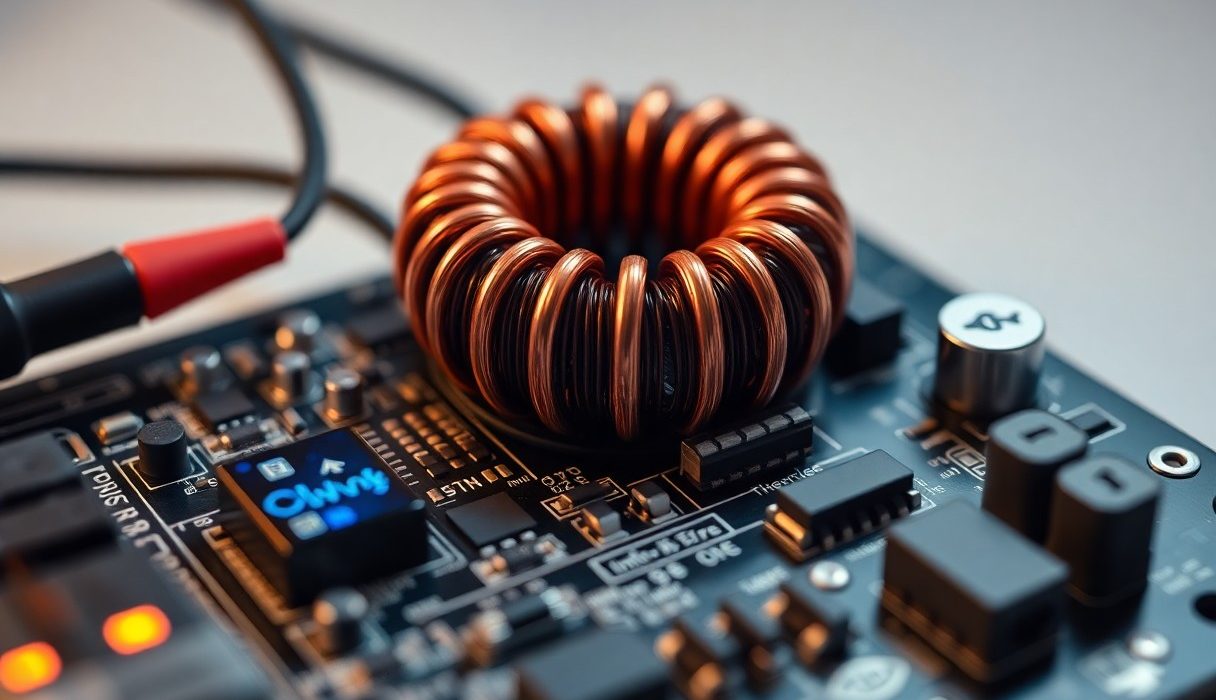
Hysteresis Explained in Electronic Components

Just as you design or troubleshoot circuits, understanding hysteresis helps you predict behavior when inputs cross thresholds; hysteresis creates stable switching thresholds that prevent oscillation and improve noise immunity, yet excessive hysteresis can cause latching, distortion, or component stress, so you must size it for performance and safety; this guide [...]
Read More

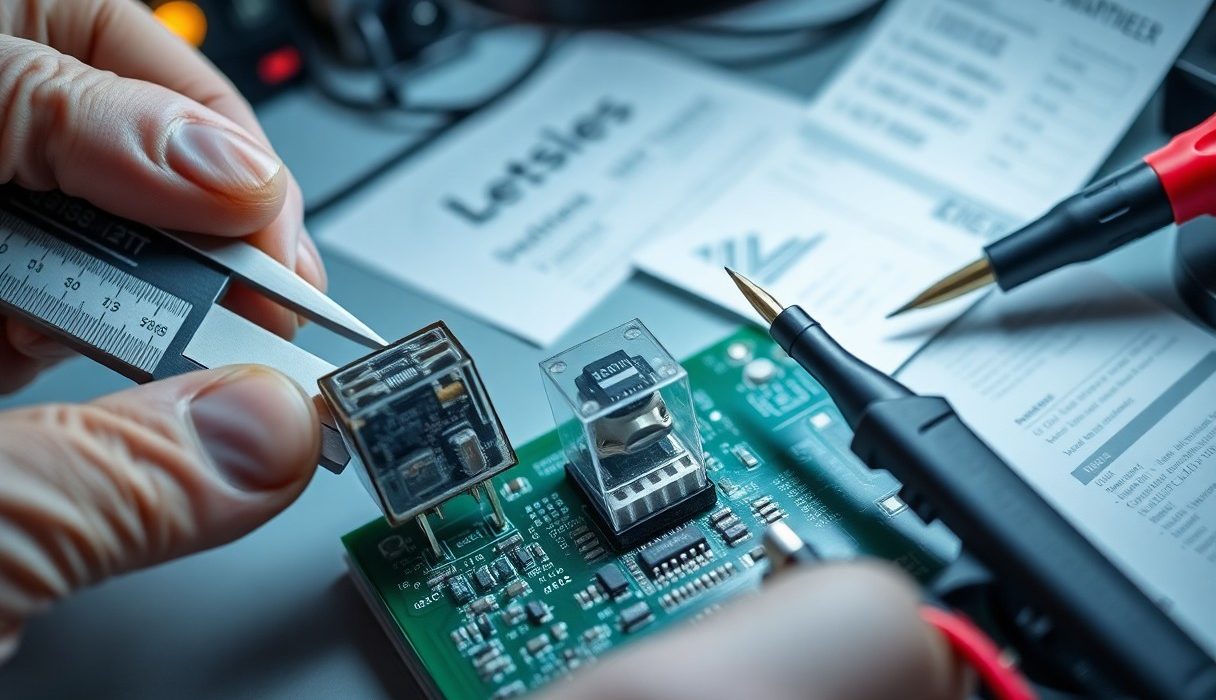
Choosing the Right Relay for Precision Electronics

You must evaluate switching speed, contact material, coil power and isolation to match your signal integrity and timing requirements; prioritize minimal contact resistance and long mechanical life for reliability, and guard against overheating, contact welding, and EMI which can destroy sensitive circuits. Assess form factor, rated load, and failure modes [...]

Read More

Design Considerations for High Reliability Electronic Circuits

Just as you design circuits, prioritize redundancy, derating, and component quality to extend life; analyze single points of failure, mitigate thermal runaway and electromigration, control EMI, and plan for harsh environments with conformal coatings. Use rigorous testing, burn-in, and field monitoring so your products achieve predictable, high-availability performance. Types of [...]

Read More