How Infrared Sensors Enhance Modern Detection Systems

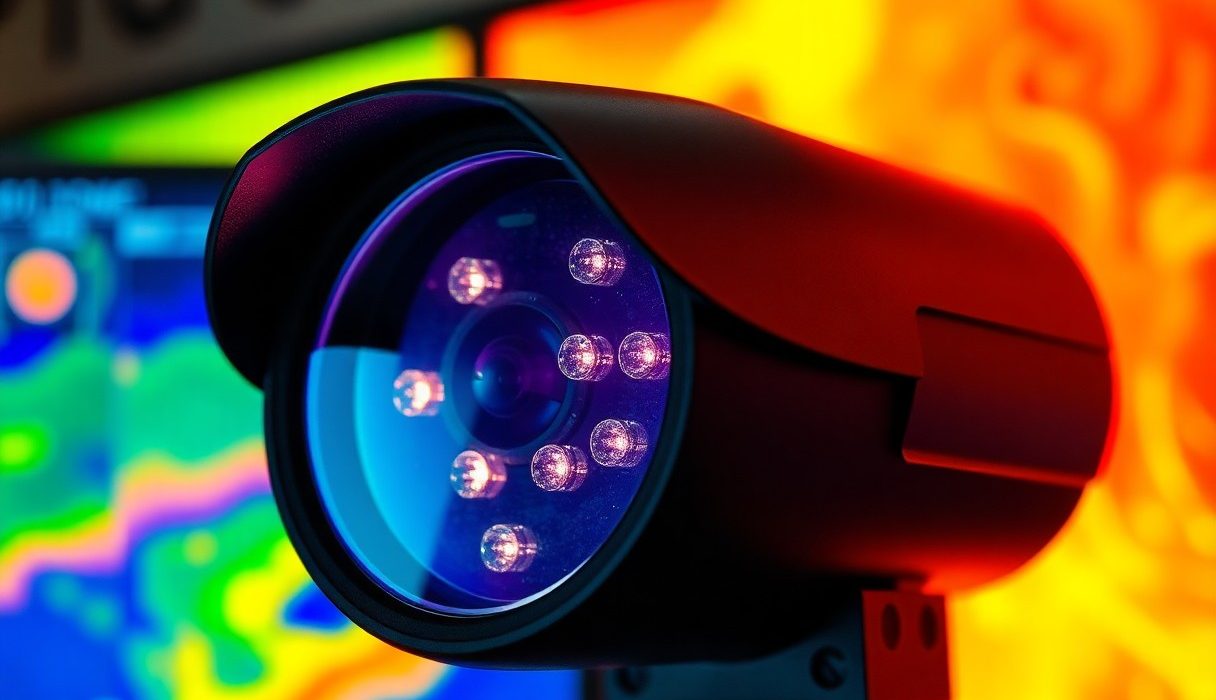
You integrate infrared sensors into your detection systems to gain superior situational awareness; they detect heat signatures through smoke, darkness, and obscurants, improving response times and reducing false alarms. By revealing overheating equipment and hidden humans, they identify dangerous failures and life-threatening conditions early, support automation and analytics, and extend [...]

Read More

Infrared Array Sensors and Their Role in Thermal Detection

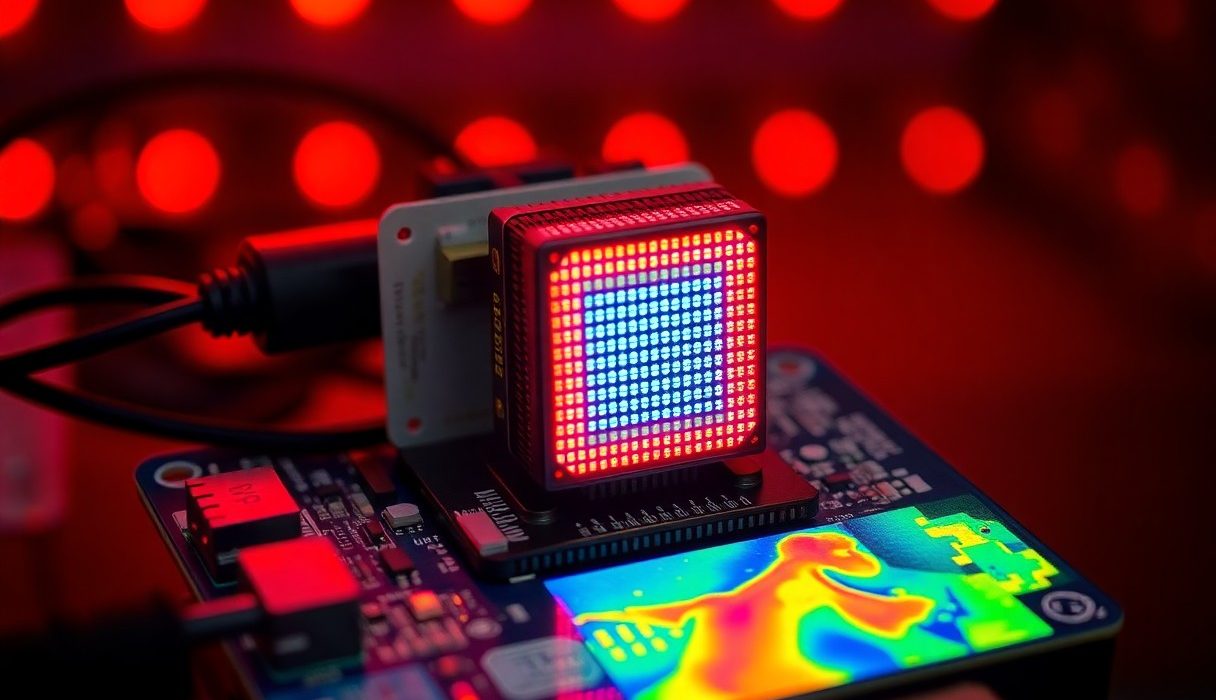
You can deploy infrared array sensors to visualize temperature patterns across a scene, giving your system real-time thermal imaging and high sensitivity for tasks ranging from equipment inspection to medical screening. Their pixelated detectors enable precise, non-contact temperature measurements, help detect early fires and overheating hazards, and support automated monitoring [...]

Read More

Hysteresis Explained in Electronic Components

Just as you design or troubleshoot circuits, understanding hysteresis helps you predict behavior when inputs cross thresholds; hysteresis creates stable switching thresholds that prevent oscillation and improve noise immunity, yet excessive hysteresis can cause latching, distortion, or component stress, so you must size it for performance and safety; this guide [...]

Read More

How Hysteresis Affects Sensor Accuracy and Stability

This guide explains how hysteresis in sensors creates offset and delayed responses that degrade accuracy and long-term stability, and shows you how to identify and mitigate its effects. Hysteresis can cause systematic measurement errors and, in safety-critical systems, dangerous false readings, yet it can also provide beneficial noise damping and [...]

Read More

Long Term Reliability Benefits of Semiconductor Based Switching

Switching to semiconductor-based switching delivers predictable, low-maintenance performance that helps you extend asset life and lower operational risk; reduced mechanical wear and absence of arcing cut classic failure sources, while careful thermal management mitigates the risk of thermal runaway, and integrated diagnostics give you longer mean time between failures and [...]

Read More

Choosing the Right Relay for Precision Electronics

You must evaluate switching speed, contact material, coil power and isolation to match your signal integrity and timing requirements; prioritize minimal contact resistance and long mechanical life for reliability, and guard against overheating, contact welding, and EMI which can destroy sensitive circuits. Assess form factor, rated load, and failure modes [...]

Read More